
Potholing
Potholing and service exposure, Sydney and NSW
Potholing is digging a small hole by vacuum excavation to see a buried service, and Spot On Excavations does it from North Richmond, NSW across Sydney, the Hawkesbury, Canberra and regional NSW, recording depth, offset, service type and a photo at each hole.
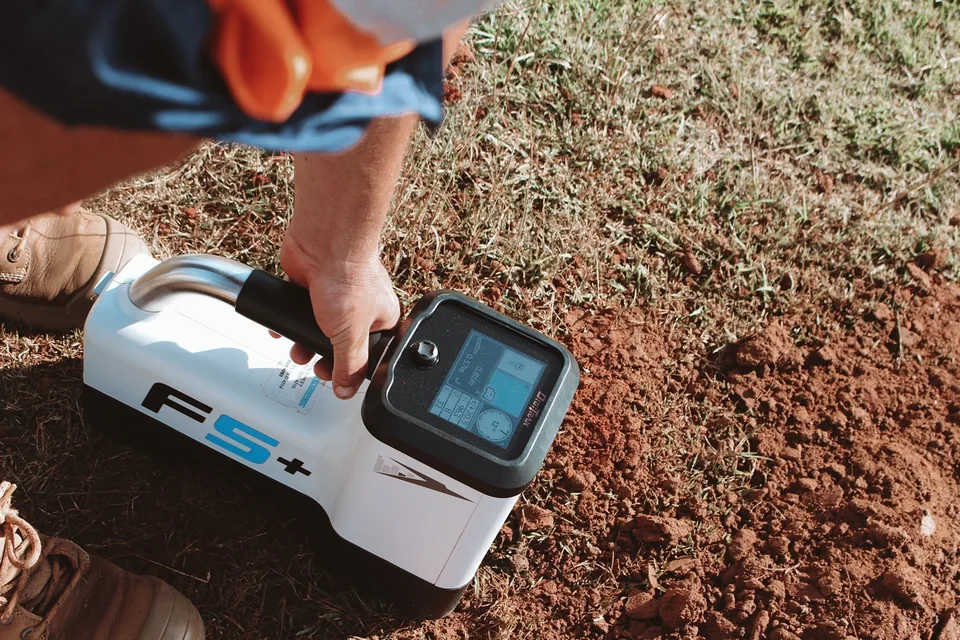
What is potholing?
A pothole is a small, controlled excavation made at a chosen spot to expose a cable, pipe or conduit. Plans and locators can tell you roughly where a service is. A pothole tells you for certain. We make ours with the water and suction of a vac truck, which means the service is exposed without being struck. It is a core use of our vacuum excavation trucks, and it is the step that turns an assumed position into a known one.
People also call it service exposure, service location, test holes or proving. The work is the same: find the service, measure it, record it, and make the hole safe.
AS 5488 quality levels, in plain terms
Australian Standard AS 5488 describes how certain you can be about the position of a buried service. It uses four quality levels, and the numbers on a plan only mean something when you know which level they come from.
- QL-D: existing records and plans, such as BYDA plans. Useful, but they can be old or wrong.
- QL-C: records combined with surface features like pits, poles and valve covers.
- QL-B: a trace with an electromagnetic locator or similar device. It gives a position, but it can miss non-metallic services and cannot give you reliable depth in every case.
- QL-A: the service is physically exposed and its position and depth measured. Potholing is how you reach QL-A.
If a bore or trench has to pass close to a service, QL-A is the level that lets a crew plan with confidence. Our guide to digging near underground services sets out the whole sequence.
What we record at each pothole
Every hole is written up so the person who needs the information can use it:
- the depth to the top of the service, measured from a stated reference point such as ground level
- the offset, which is the distance from a fixed feature like a kerb, fence or pole
- the type of service as far as it can be identified (electrical, water, telecommunications, gas, or unknown)
- a photograph of the exposed service in the hole
- the condition of the ground and any other services that turn up
We hand this over with the job. If you want it in a particular format or tied to a drawing, say so when you ask for the quote.
Why pothole before directional drilling?
When a bore has to cross or run beside existing services, potholing along the bore path is how you find out what the drill will pass. We expose the services the path crosses, record their depth, and the drill crew sets the bore depth to clear them with a margin they can trust. We do this for our own horizontal directional drilling crews and for other contractors. It is cheaper to dig ten small holes than to repair one cable.
Where a crossing needs an entry pit, an exit pit or a pit at a joint, we dig those as well. See excavation and pits and pipe and conduit installation.
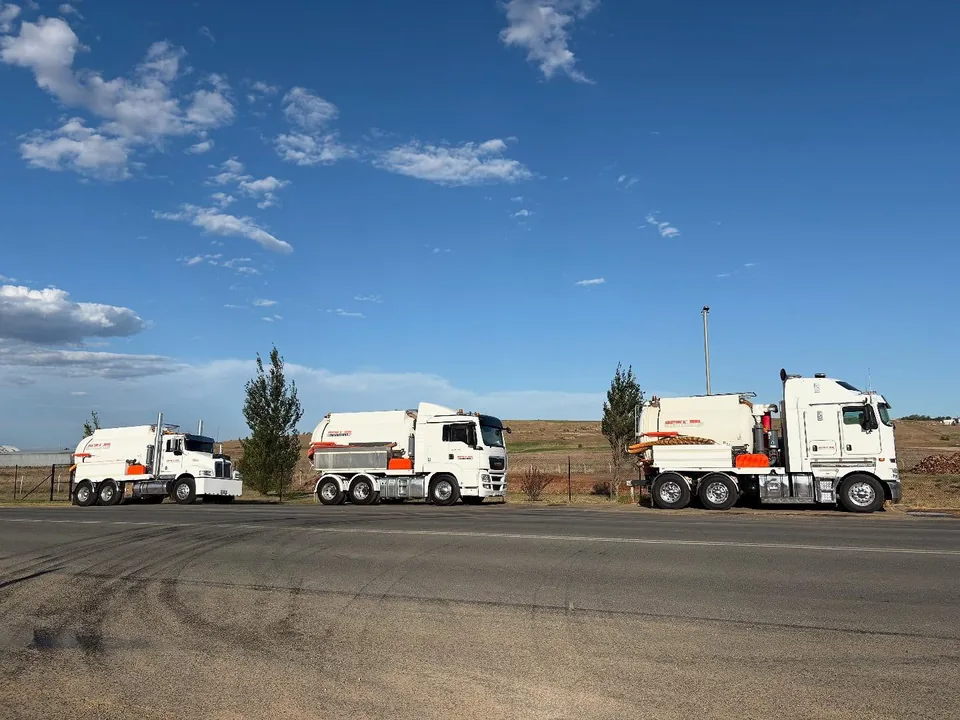
Questions
Potholing questions
How deep can you pothole?
Depth depends on the ground, the groundwater and the access. Many service exposures are shallow, but some are deeper or need shoring or a larger pit. Tell us what you know and we will say whether potholing is the right method before you commit.
Does potholing damage the service?
The aim is that it does not. Water and suction remove soil without a hard edge touching the pipe or cable, and the operator works to a method statement. Any service that is old, damaged or unusual should be flagged to us before we start.
Do I still need a BYDA enquiry?
Yes. A Before You Dig Australia enquiry is the first step of any dig, and potholing comes after it. We lodge one before every job.
Can you pothole in a road?
Yes, but road work needs traffic management and permits from the road owner. We can discuss what is needed and quote with those factors included. Our cost guide lists the extras that apply.
Will you backfill and reinstate?
We backfill and make the hole safe, or leave it open and protected, as you instruct. Permanent reinstatement of a road or pavement is usually a separate job for the owner or another contractor.
Related
Next step
Need a service proved before you drill or dig?
Send us the site and the bore or trench line. We will tell you how many holes we would dig and what you get back.